

How do laser hair removal and waxing work?
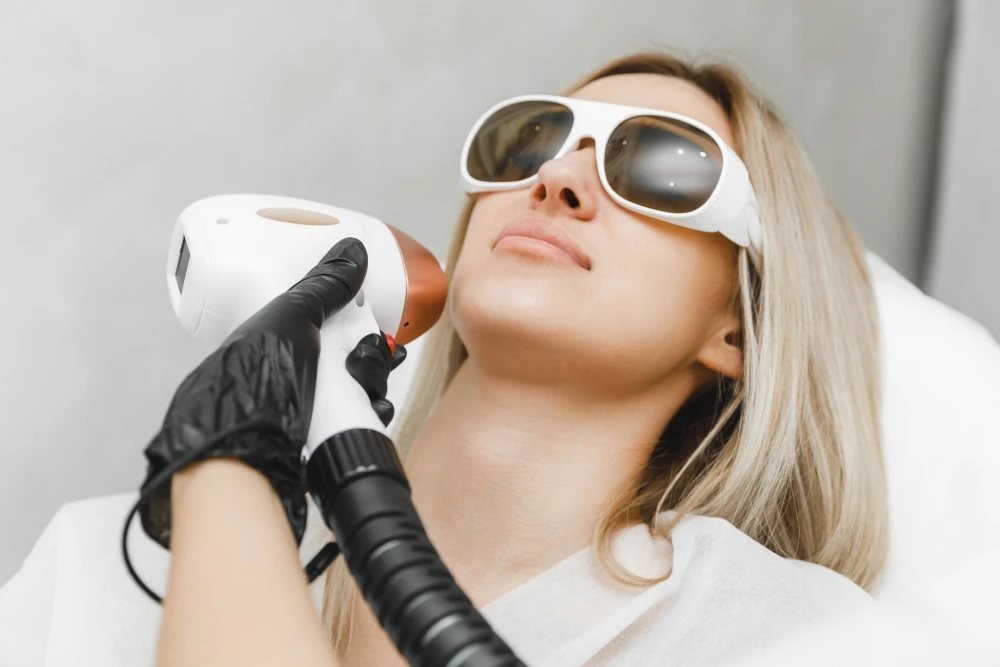
Waxing pulls each hair out of the follicle using warm or cold wax and a quick pull against the direction of growth. Laser hair removal leaves the hair in place and sends light into the skin, where the pigment in the hair turns it into heat that damages the follicle's ability to regrow.
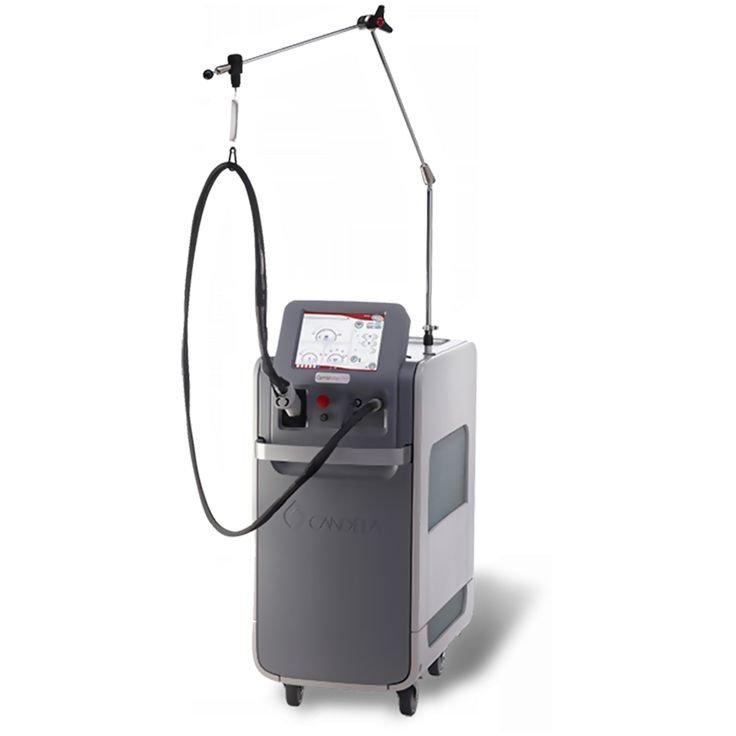
That's the key difference in the laser hair removal vs waxing debate. Waxing clears the surface, but the follicle keeps producing new hair. Laser works on the follicle itself, so each session leaves fewer active follicles behind. At Laser & More Clinic we use the Candela GentleMax Pro (755nm Alexandrite and 1064nm Nd:YAG) and the Quanta System Duetto MT EVO. For the science, read how laser hair removal works.
How long do the results of each last?
Waxing usually keeps skin smooth for a few weeks before regrowth appears, and that cycle continues for as long as you wax. Laser hair removal gives long-term hair reduction after a completed course: regrowth tends to be slower, finer and sparser, and many people only need occasional maintenance sessions.
Laser isn't a one-visit fix. Only hairs in the active growth phase respond, so a course of sessions spaced 3–4 weeks apart is needed to catch each new group of hairs. Hormonal changes can wake up dormant follicles later, so some clients book an occasional top-up. Results vary by area, hair colour and hormones.
Which is more comfortable?
Comfort is personal, but the sensations are different. Waxing gives a sharp pull as many hairs come out at once, and the area can feel tender afterwards. Laser feels like a quick snap, often compared to a rubber band flick, with each pulse lasting a fraction of a second.
What helps with laser
The GentleMax Pro's Dynamic Cooling Device (DCD) sprays a short burst of cryogen onto the skin just before each pulse, protecting the surface and taking the edge off the heat. Sensitive areas, like the upper lip or bikini line, can feel sharper with either method.
Comfort over time
Waxing feels much the same each visit. With laser, many people find sessions easier as the course goes on, because there's less hair to treat.
What about ingrown hairs and wax bumps?
Waxing can cause ingrown hairs, because regrowing hairs sometimes break or curl back into the skin instead of growing out. Laser hair removal reduces the number of hairs growing in the area, and many people find that ingrown hairs and bumps become less frequent as their course progresses.
Small red bumps after waxing are common, and some people develop folliculitis, an irritation of the hair follicles. Coarse or curly hair, and areas where clothing rubs, such as the bikini line, are most prone. If ingrown hairs are your main reason for switching, mention it at your consultation.
Can waxing or laser irritate or darken the skin?
Both can, in different ways. Waxing pulls on the skin every few weeks, which can cause redness, sensitivity and, if wax is too hot, burns. Repeated irritation and ingrown hairs can leave darker patches, especially on deeper skin tones. Laser causes redness for a few hours, and can cause pigment changes when settings don't suit the skin.
People using retinoids, isotretinoin or exfoliating acids can find wax lifts or tears the top layer of skin. With laser, the main risks are tanned skin, the wrong wavelength or settings that are too strong; settings matched to your skin, the 1064nm Nd:YAG wavelength for darker skin and built-in cooling all lower that risk. Read more in our guide to laser hair removal burns.
Laser hair removal vs waxing at a glance
Here's how the two methods compare on the points that matter most day to day.
| Factor | Laser hair removal | Waxing |
|---|---|---|
| How it works | Heats the follicle to reduce regrowth | Pulls the hair out from the root |
| How long results last | Long-term hair reduction after a course; occasional top-ups. Results vary. | A few weeks, then the cycle repeats |
| How it feels | Quick snap; cooling helps; often easier as hair thins | Sharp pull; tenderness afterwards; similar each time |
| Ingrown hairs and bumps | Often become less frequent as hair reduces | Common, especially with coarse or curly hair |
| Hair length needed | Shaved area; no growing out | Hair must grow long enough for wax to grip |
| Hair colour | Suited to dark hair; poor on blonde, grey and red | Works on any hair colour |
| Skin types | Suitable for most skin types with the right wavelength and settings | Suitable for most, with care on sensitive or retinoid-treated skin |
| Cost pattern | A defined course, then occasional maintenance | Recurring appointments for as long as you wax |
How much time does each take over a year?
Waxing needs an appointment every few weeks, all year, plus days spent growing hair out so the wax can grip. A laser course needs a set number of sessions spaced weeks apart, and most people simply shave between visits. Once the course is complete, appointments usually drop to occasional maintenance. Small areas such as the underarms are quick to treat, while full legs or the back take longer.
Which is better for my skin and hair type?
Laser hair removal suits most people with dark hair, from fair to deep skin tones, when the wavelength and settings match the skin. Waxing is often the more practical choice for blonde, grey, white or red hair, because these hairs lack the pigment the laser needs to absorb.
- Fair to olive skin with dark hair: usually responds well to the 755nm Alexandrite wavelength.
- Olive to deep skin: the 1064nm Nd:YAG wavelength is absorbed less by surface pigment, lowering the risk of burns and pigment change.
- Light or grey hair: laser is unlikely to work well; we'll tell you honestly at your consultation.
- Hormone-driven hair, such as with PCOS: laser can help, but more sessions and top-ups are often needed.
Everyone has a consultation and skin assessment before their first session, covering medical history, skin type and hair. If you're switching from waxing, you'll need to stop waxing for about four weeks before your first laser session, because the laser needs the hair root in place.
Does Dubai's heat change the answer?
Dubai's heat and humidity tend to favour laser for long-term hair management. Freshly waxed follicles are irritated, and sweat and friction in hot weather can make bumps and ingrown hairs worse. Fewer hairs after a laser course means less of that cycle through the summer.
Laser has its own heat rules: avoid saunas, hot showers, the gym and direct sun for a short time after each session, use SPF 50 daily and avoid tanning for the whole course. Sessions can continue through summer with good sun protection. Our guide to laser aftercare in Dubai's heat covers this step by step.
How does the cost compare over time?
Waxing is a smaller payment each visit, but it keeps adding up year after year. Laser hair removal is a larger, defined commitment for a course of sessions, followed by occasional maintenance. Which works out better depends on the areas, your hair and how often you wax.
Every course is planned around your skin and treatment areas, so ask for a personalised quote at your consultation. Find out more about our laser hair removal service.
What else do people ask about laser vs waxing?
Is laser hair removal better than waxing long term?
For most people with dark hair, yes, because laser reduces regrowth over time while waxing has to be repeated every few weeks.
Laser gives long-term hair reduction rather than removal of every hair forever, and results vary. Waxing remains a good option for blonde, grey or red hair.
Can I wax between laser hair removal sessions?
No. Waxing pulls out the hair root that the laser needs to target, so shaving is the recommended option between sessions.
Also avoid plucking, threading and epilators during your course. Treated hairs shed on their own over one to three weeks.
Does laser hair removal hurt more than waxing?
Most people describe laser as a quick snap, like a rubber band flick, rather than the sharp pull of waxing.
Comfort varies by person and area. The Dynamic Cooling Device cools the skin before each pulse, and your specialist can adjust settings at any time.
Will laser hair removal help with ingrown hairs from waxing?
Many people find ingrown hairs become less frequent during a laser course, because fewer hairs grow back in the area.
If your skin is inflamed or broken, your specialist may wait until it settles before treating. Results vary.
Is laser hair removal more expensive than waxing?
Laser is a larger upfront commitment, while waxing costs less per visit but continues indefinitely.
The comparison depends on your treatment areas and how often you wax. Ask for a personalised quote at your consultation.
Sources and further reading
This article draws on general, publicly available guidance and peer-reviewed research. It is for information only and doesn't replace a personal consultation.
- American Academy of Dermatology (AAD): patient guidance on laser hair removal and on hair removal methods
- NHS (UK): guidance on cosmetic laser hair removal
- Peer-reviewed dermatology and laser journals, including Lasers in Surgery and Medicine and Dermatologic Surgery
- Candela: GentleMax Pro technical information, including the Dynamic Cooling Device
- Dubai Health Authority (DHA): standards for licensed healthcare facilities and professionals
Written by the Laser & More clinical team, DHA-licensed nurses and laser specialists in Al Rashidiya, Dubai.
Medically reviewed by Dr. Rabbia Shahnawaz · Published 5 October 2026 · Last updated 5 October 2026