

What is the difference between a HydraFacial and a medical facial?
The main difference in the hydrafacial vs medical facial question is how each treatment is planned. A HydraFacial is a standardised treatment that follows the same three steps for everyone, with serums chosen for your skin. A medical facial starts from a skin analysis, and its products, steps and strength are tailored to one concern you want to change.
Both are clinic treatments, and they do different jobs. A HydraFacial is designed for reliable, same-day freshness and clearer pores. A medical facial is designed to make gradual progress on a specific problem over several visits, with a specialist checking your skin's response along the way.
How does a HydraFacial work?
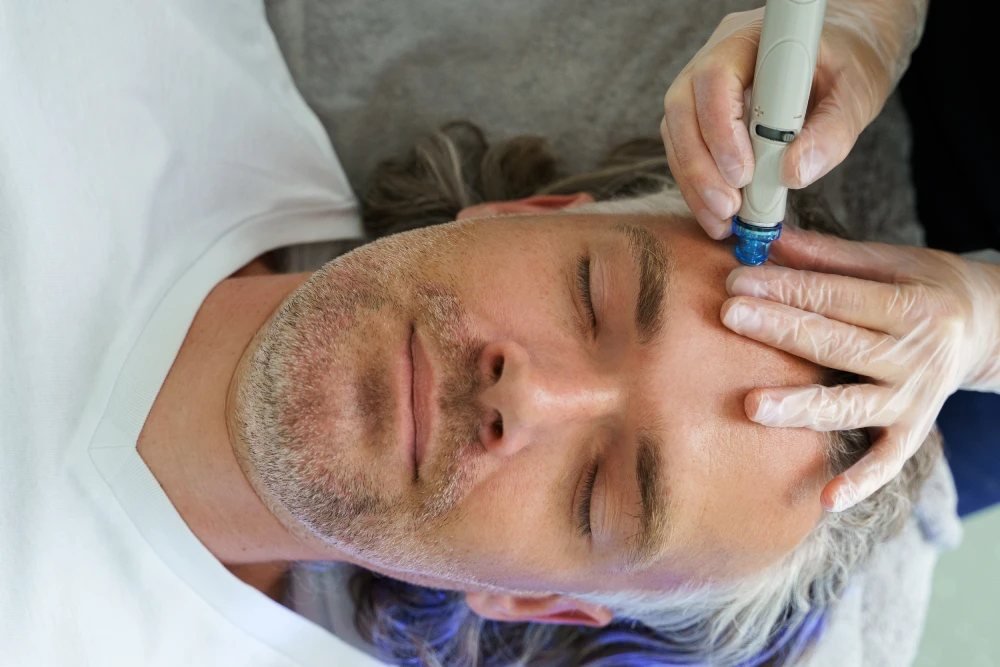
A HydraFacial uses Vortex-Fusion technology, which works like a gentle vacuum: one handpiece lifts away dead skin and congestion while delivering serums at the same time. The treatment runs in three steps back to back, each with its own tip and solution.
- Cleanse + Peel. A resurfacing tip and a gentle exfoliating solution loosen dead cells and surface oil.
- Extract + Hydrate. Vortex suction draws debris and blackheads out of the pores while moisturising serums hydrate the skin.
- Fuse + Protect. Antioxidants and peptides are infused to help protect the skin against heat, sun and pollution.
Because there is no manual squeezing or harsh scrubbing, skin usually looks brighter straight away rather than red. At Laser & More, treatments use a genuine HydraFacial system, a session takes about 45–60 minutes, and HydraFacial boosters can be added for your main concern. You can read more on our HydraFacial page.
How does a medical facial work?
A medical facial follows a clinical structure of cleansing, exfoliation, extraction where it helps, targeted serums and masks, then hydration and sun protection. What makes it "medical" is the planning: the exfoliant, actives and mask are chosen after an assessment of your skin, and the plan is adjusted at each visit.
Skin analysis comes first
At our Al Rashidiya clinic, every medical facial is planned by skin specialist Esra Moghimi. She looks at your skin's texture, oil, pigmentation and hydration, reviews your routine and any medication, and agrees one main goal with you before choosing products.
Tailored to one concern at a time
Breakout-prone skin may need deeper cleansing, careful extraction and oil-balancing serums. Pigmentation calls for brightening actives, gentle exfoliation and strict sun protection. Dehydrated skin benefits from hydrating masks, and early ageing from antioxidant and hydrating serums.
The devices behind it
Alongside the HydraFacial system, the clinic has an Oxy Touch Pro facial system, which cleanses and hydrates the skin surface. Whether a device forms part of your facial depends on your skin analysis. See our technology hub for the equipment we use, and our medical facial page for the full treatment.
HydraFacial vs medical facial: how do they compare?
Choose a HydraFacial for a dependable glow and clearer pores without downtime. Choose a medical facial when a specific concern needs targeted products and a plan.
| Feature | HydraFacial | Medical facial |
|---|---|---|
| Approach | Set three-step Vortex-Fusion treatment | Planned around your skin analysis |
| Suited to | Dullness, dehydration, congested pores, general maintenance | One targeted concern: breakouts, pigmentation, dehydration or early ageing |
| How it feels | Cool, gentle suction; most clients find it relaxing | Usually comfortable; depends on the exfoliant and actives chosen |
| Downtime | None | Usually minimal to none |
| How often | Every 4–6 weeks | A course planned by your specialist, then every 4–6 weeks for maintenance |
| What you'll notice | Fresher, more hydrated-looking skin the same day | Cleaner-feeling skin at first; changes to the concern build over several sessions |
Which facial suits your skin?
If your skin feels tight, flat or clogged, a HydraFacial is usually a good starting point. If you have a concern that keeps coming back, such as breakouts or uneven tone, a medical facial gives your specialist more room to target it.
A HydraFacial may suit you if
- Your skin looks dull or tired, or feels dehydrated from long days between air conditioning and outdoor heat.
- You have congested pores, blackheads or excess oil, and want them cleared without manual squeezing.
- You want skin to look fresh before an event, photos or travel, with no recovery time.
- You'd like regular maintenance between other treatments.
A medical facial may suit you if
- You get frequent breakouts or have acne-prone, congested skin that needs a careful, structured approach.
- You're bothered by uneven tone or pigmentation and want a plan that includes sun protection advice.
- You're noticing early fine lines or loss of glow and want actives chosen for that.
- Your skin is sensitive and you'd prefer products matched to what it tolerates.
If a concern needs more than a facial can offer, your specialist may suggest other options from our skin treatments, such as a chemical peel or microneedling.
Is there downtime, and how often should you book?
A HydraFacial has no downtime, so you can go straight back to work or your plans. A medical facial usually has little or none, though stronger exfoliation can leave skin slightly pink or sensitive for a short time. Both are commonly repeated every 4–6 weeks.
A single HydraFacial can give a visible glow, while concerns tend to need a course. With a medical facial, skin often feels cleaner and looks brighter after the first visit, but changes to breakouts, tone or texture build gradually over several sessions alongside your home routine. Whichever you choose, apply a broad-spectrum sunscreen every day, especially in Dubai's strong sun.
Can you combine or alternate the two?
Yes. Many clients alternate a HydraFacial with a medical facial, using the HydraFacial for hydration and pore care and the medical facial to work on a specific concern. Your specialist will space treatments so your skin has time to settle between them.
A common pattern is to start with a medical facial course for a concern such as breakouts, then use HydraFacials for maintenance once skin is calmer. The right mix depends on your skin, your goals and how it responds.
What does a skin consultation cover?
A skin consultation covers your skin concerns and goals, a skin analysis, your current routine, medication and medical history, and anything that means waiting before treatment. It ends with a recommendation, which may be a HydraFacial, a medical facial, a mix of both or a different treatment.
- Your goals. What bothers you most, and what you'd like to change.
- Skin analysis. Texture, oil, pigmentation, hydration and sensitivity, often with face mapping.
- Your routine. Retinoids, acids and prescription creams, which may need pausing beforehand.
- Health check. Pregnancy, allergies, recent treatments, acne medication, sunburn or active skin infections.
- A plan. Which facial to start with, how often to return and what to do at home.
Laser & More Clinic is a DHA-licensed aesthetic clinic in Al Rashidiya, Dubai. Clients visit us from Mirdif, Al Warqa and Nad Al Hamar, and you can book a consultation online or on WhatsApp.
What else do people ask about HydraFacial and medical facials?
Is a HydraFacial a medical facial?
Not quite. A HydraFacial is a clinic treatment, but it follows a set three-step sequence for everyone.
A medical facial is planned individually after a skin analysis, with products and steps chosen for one main concern.
Which is better for acne-prone skin?
A medical facial is usually the better fit for frequent breakouts, because products and extraction can be tailored to your skin.
A HydraFacial can help keep pores clear, and active or severe acne may need a dedicated acne treatment plan. Your specialist will advise after assessing your skin.
Can I have a HydraFacial before an event?
Yes. A HydraFacial has no downtime, so many people book one a few days before an event.
If it's your first treatment, allow a little extra time in case your skin needs to settle, and avoid trying a new, stronger treatment right before a big day.
How often should I have a facial?
Every 4–6 weeks is a common interval for both a HydraFacial and maintenance medical facials.
When you're working on a specific concern, your specialist may plan a course first and then space visits out as your skin improves.
Are facials safe during pregnancy?
Some facials can be adapted during pregnancy, but certain actives should be avoided, so always tell your specialist first.
They will review the products and steps involved, and may suggest postponing a treatment or choosing a gentler option.
Sources and further reading
This article draws on general, publicly available guidance and manufacturer information. It is for information only and doesn't replace a personal consultation.
- American Academy of Dermatology (AAD): patient guidance on skin care, acne and sun protection
- British Association of Dermatologists (BAD): patient information on sun protection
- HydraFacial: manufacturer information on the Vortex-Fusion treatment
- Peer-reviewed dermatology journals, including the Journal of Cosmetic Dermatology
- Dubai Health Authority (DHA): standards for licensed healthcare facilities
Written by the Laser & More clinical team, DHA-licensed nurses, laser specialists and our skin consultant in Al Rashidiya, Dubai.
Medically reviewed by Dr. Rabbia Shahnawaz · Published 5 October 2026 · Last updated 5 October 2026